
Made for many colours
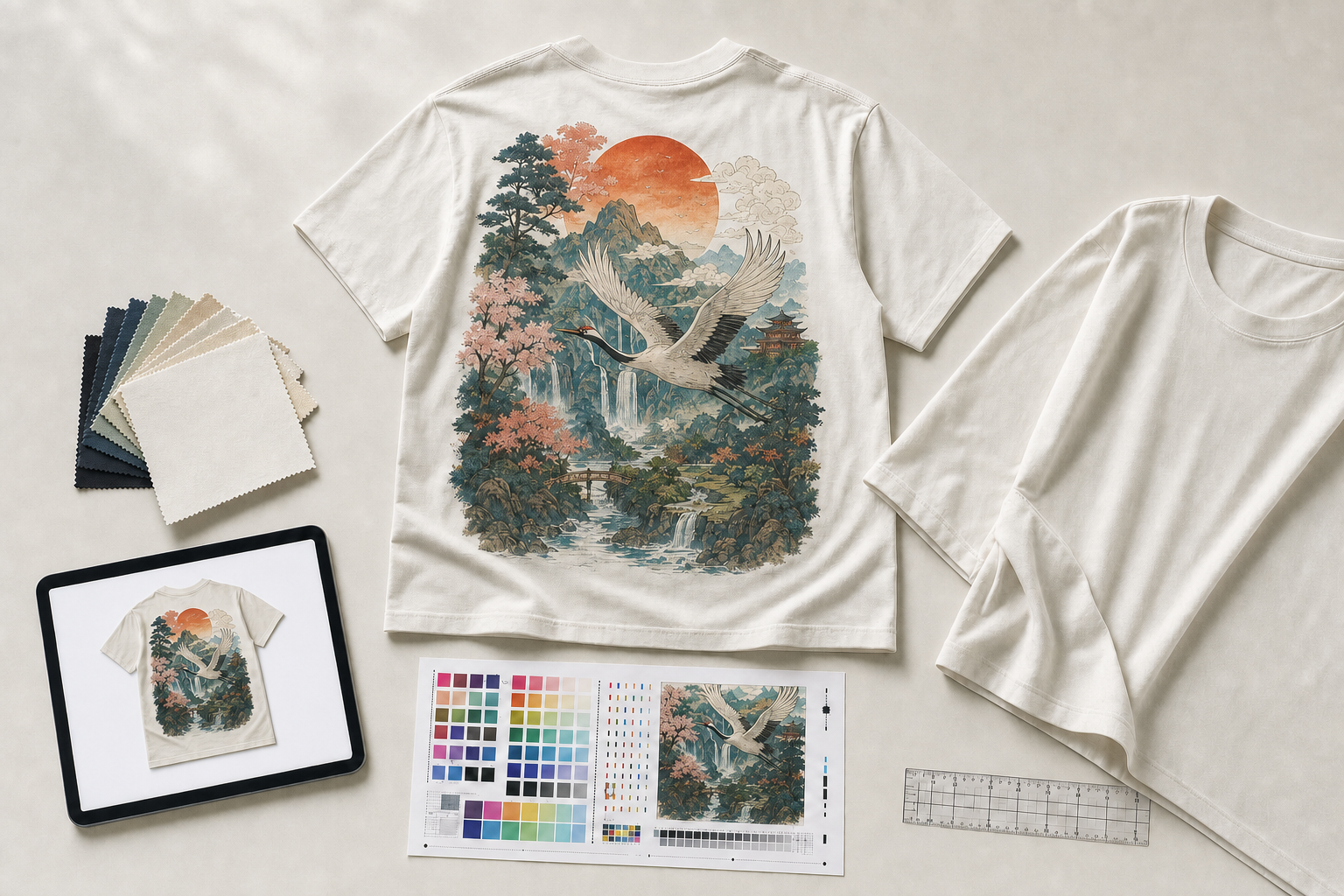
Detailed illustrations and photo based designs can keep more of their character.
Artwork help before print
Photoshop support helps tidy files before they reach the garment stage.
Care advice after finishing
Simple washing and heat guidance helps protect the printed surface for longer.
Garment printing for artwork with more detail
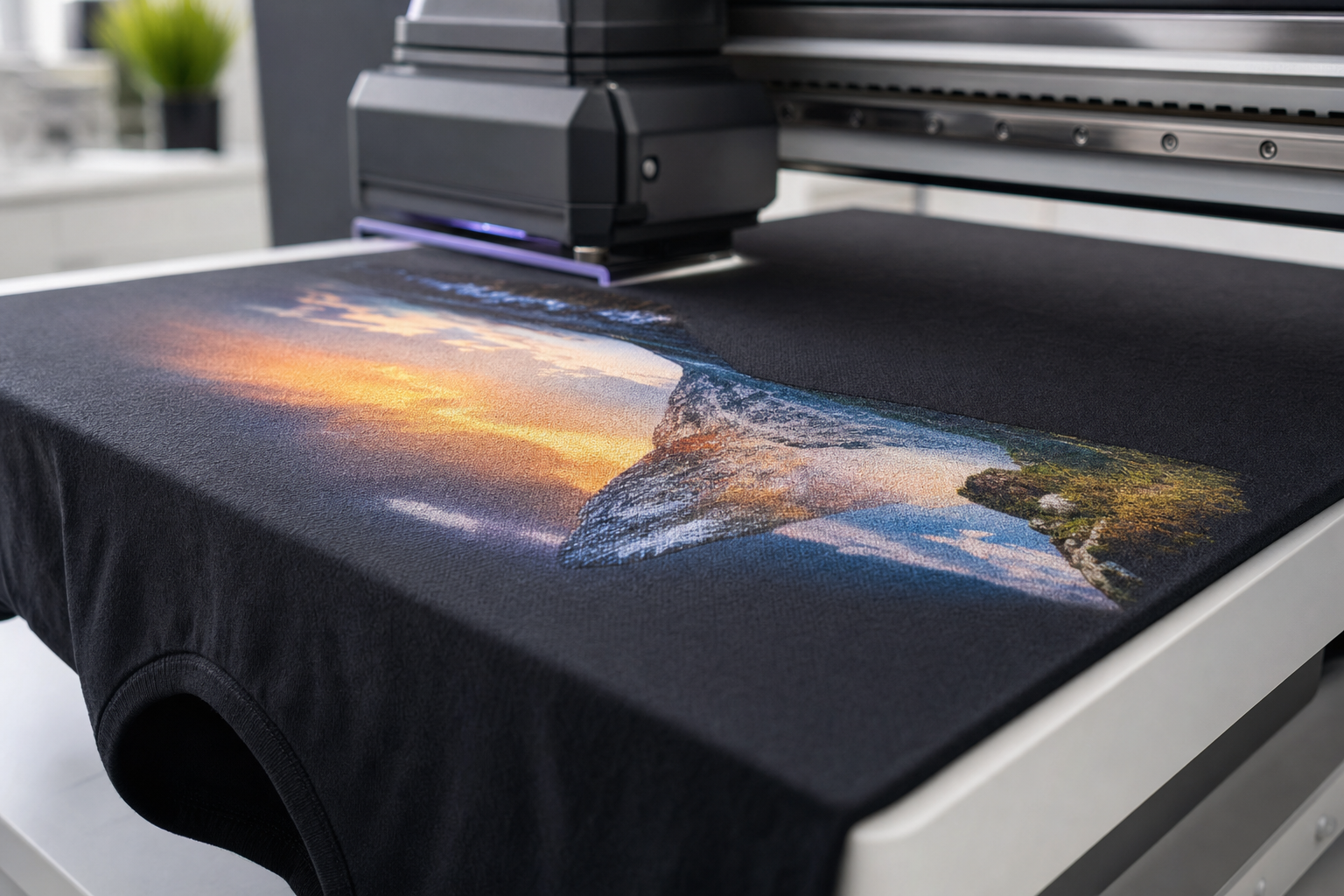
Direct to garment printing is useful when you want artwork to go straight onto fabric with its finer details still intact. Illustrations, photographic images, soft gradients and designs with many colours can all benefit from this approach, especially when a simpler print method would lose some of the detail. At ColourPress NI, we look at the garment itself as closely as the artwork, because fabric composition, garment colour and print size all affect the final appearance. That early check helps you judge if DTG is the right route for the job.
Prepare the file and care for the result
File preparation matters here, so we can refine artwork in Photoshop if something needs cleaning up, resizing or adjusting before print. Through ColourPress NI, the process then moves through garment preparation, printing, curing and finishing, with each stage helping the design settle properly on the fabric. We also give practical care guidance once the garment is complete. Washing inside out, following the garment label and keeping the printed area away from excessive heat all help protect the look for longer.
Frequently asked questions
What kind of artwork suits direct to garment printing?
DTG is useful for illustrations, photographs, gradients and designs with many colours. It is often chosen when the artwork needs more detail than a simpler garment print method can usually carry.
Can you help if my artwork file needs work?
Yes. If the file needs cleaning up, resizing or adjusting, we can refine it in Photoshop before production. That helps you approve a clearer version of the design before it goes onto the garment.
How should I care for a DTG printed garment?
Follow the garment label, wash it inside out and avoid excessive heat on the printed area. Those small steps help the surface stay in better condition after regular wear and washing.